Gallstones vs Gallbladder Sludge: Differences, Risks & Treatment
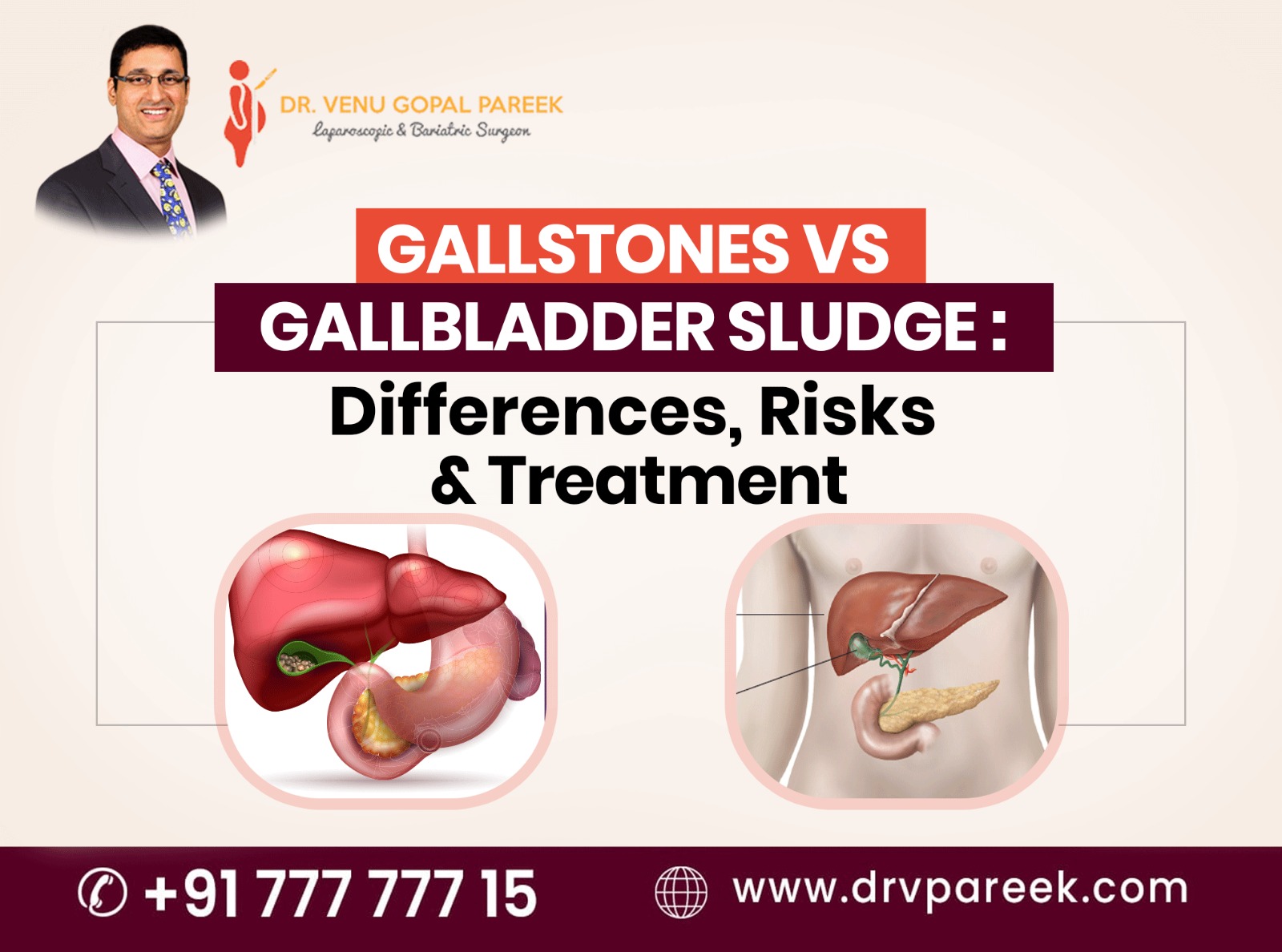
The gallbladder is a small organ in the body; it plays an important role in digestion. It sits just below the liver, and the main role of this pear-shaped organ is to store and distribute a digestive fluid called bile. This bile fluid is released into the small intestine to help break down the fats. However, the gallbladder can be affected by several conditions, with gallstones and gallbladder sludge being the most common.
In most cases these conditions can be treated safely, but knowing about these conditions is crucial for proper diagnosis and effective treatment. A few symptoms of these two conditions might be similar, but their causes, risks, and treatment options may differ significantly.
Gallstones—definition & types
Gallstones are formed in the gallbladder when cholesterol or bilirubin crystallizes. They are solid substances formed due to an imbalance in the composition bile, excess cholesterol or bilirubin
They are of three main types: cholesterol gallstones, which are formed due to excess cholesterol, and they are the most commonly observed. The second one is pigment gallstones, which are formed due to excess bilirubin. Mixed gallstones are the third type and are formed by the combination of bile components cholesterol, calcium salts, and bilirubin.
Causes & risk factors of gallstones
Many factors might contribute to the formation of gallstones:
- Excess production of bile components like cholesterol
- Gallbladder not emptying properly
- Being obese
- Losing weight quickly.
- Eating diets that contain high fats.
- Having diabetes also increases the risk of this condition.
- Hormonal changes after pregnancy or due to taking birth control pills
- Genetics and heredity (family history)
Symptoms & Complications
Some people might not even know that they have gallstones because they are symptomless. Anyway, if symptoms occur, people may experience unusual pain in the abdomen, particularly in the upper right, back pain, shoulder pain, dizziness, vomiting, and bloating after meals.
In certain circumstances, gallstones may lead to complications like gallbladder inflammation, blocks in the bile duct, pancreatic inflammation (pancreatitis), etc.
Gallbladder Sludge
Gallbladder sludge, also called biliary sludge, is a mixture of thick and sticky bile that contains cholesterol crystals, calcium salts, and bilirubin. Over time this mixture can develop into gallstones.
Causes & Risk Factors of gallbladder sludge
- Losing weight quickly
- Intense fasting
- Pregnancy in women
- Parenteral nutrition (PN) or Long-term IV nutrition
- Having diabetes also increases the risk of this condition.
- Diseases associated with liver
- Taking medications like ceftriaxone
Symptoms
In most of the cases, this condition goes asymptomatic However, some people might experience symptoms that resemble gallstones, and they include abdominal pain, nausea, and vomiting. After having a meal that contains fatty foods, people might experience mild pain. If gallbladder sludge is not treated, it can develop into gallstones, which results in complications.
Key Differences Between Gallstones & Gallbladder Sludge
The major differences between these conditions are their composition and treatment options. Gallstones are solid, and gallbladder sludge is a thick mixture or semi-solid. In most cases gallbladder symptoms are painful, while the symptoms of sludge are mild or asymptomatic. Surgery is the common treatment for gallbladder stones, and the treatment for gallbladder sludge focuses on lifestyle & medication.
In simple terms, gallstones are solid stones that are completely formed, while sludge is a pre-solid stage that may or may not transform into solid stones.
If gallstones and sludge are not treated properly, people may experience certain complications like bile duct obstruction, cholecystitis, severe pain, pancreatitis, and infections.
Treatment Options for gallstones
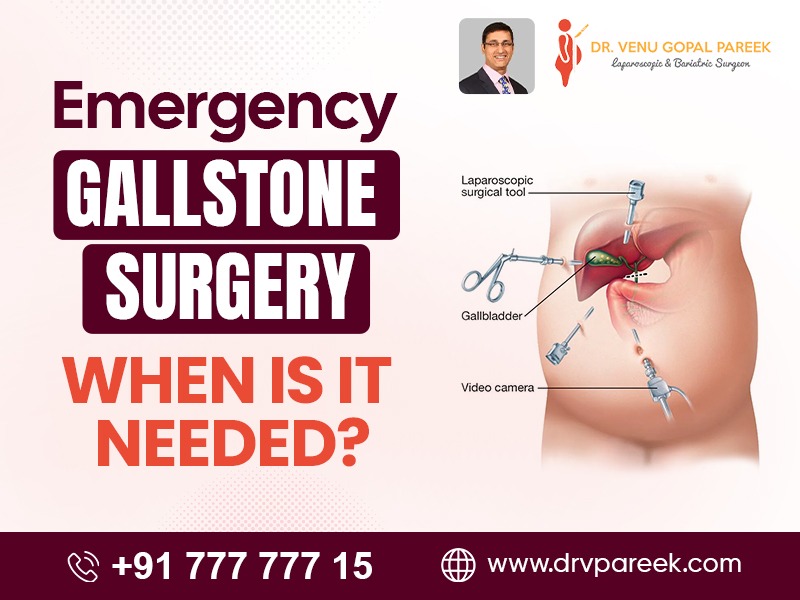
Cholecystectomy, removing the gallbladder, is the most common and permanent treatment for symptomatic gallstones. Laparoscopy can also be used to remove the gallbladder permanently. Other treatment options like oral medication are usually focused on dissolving stones, and shock wave lithotripsy or endoscopic retrograde cholangiopancreatography (ERCP) are intended to remove the stones from bile ducts.
Treatment Options for Gallbladder Sludge
The treatment for the sludge depends on the severity and causes of the condition. However, the treatment initially begins with lifestyle changes, which include having a low-fat and fiber-rich diet, daily physical activities, and proper weight management. Medications like UDCA are used to reduce sludge and prevent the formation of gallstones.
In case of persistent symptoms or complications, removing the gallbladder is the most effective treatment option.
To keep your gallbladder healthy, avoid fatty and fried foods and take fiber-rich foods like vegetables, oats, and fruits. Drink more water and maintain consistent meal timings. Exercising regularly and maintaining a healthy weight also improves your gallbladder health. If you have diabetes or improper cholesterol levels, managing them is very important to prevent these conditions.
Gallstones and gallbladder sludge might not be the same conditions, but they are slightly related. Sludge can be regarded as an early stage of gallstone formation when left untreated. Early diagnosis and treatment can prevent serious complications. If you experience any of the symptoms mentioned above, consult Dr. Venugopal Pareek, one of the best gallstone specialists, in Hyderabad. He will evaluate your condition and suggest the best treatment approach that suits all your requirements.