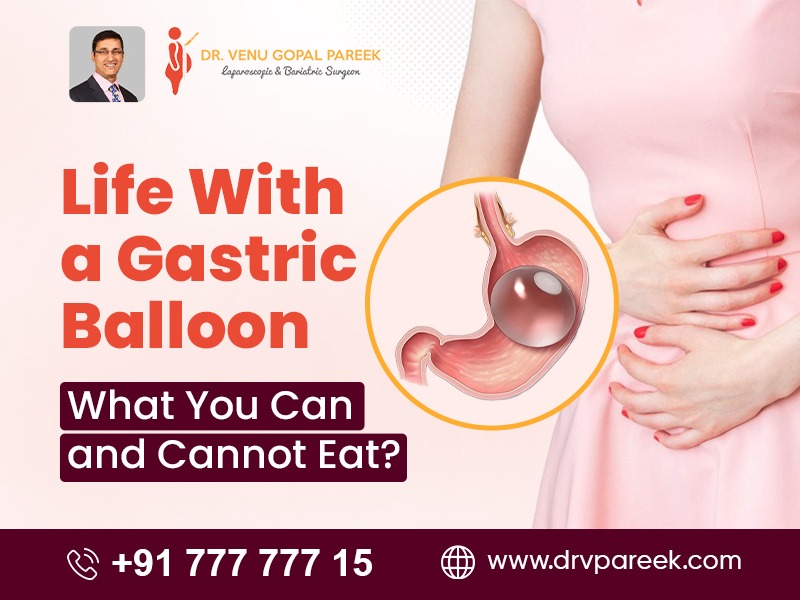
Life With a Gastric Balloon—What You Can and Cannot Eat
If you are thinking about undergoing a gastric balloon procedure for weight loss or you have already undergone the procedure, then this is for you. Diet is one of the biggest factors in the gastric balloon procedure. Being committed to a well-planned diet after a gastric balloon procedure will not only make the treatment more effective but also reduce the discomfort and potential risks.
The gastric balloon is one of the best alternatives to weight loss surgeries and less invasive procedures, especially if you are afraid or not eligible for weight loss surgeries or do not want permanent changes to your digestive system from surgery. A gastric balloon, which is placed in your stomach, is made up of soft silicon material, and once placed in the stomach, it is filled with a saline solution, which takes up space and makes you eat less and feel fuller quickly. Remember that the balloon is just one of the factors in your weight loss journey that gives you a head start! Your physical activities and food choices before, during, and after the procedure have equal importance and can determine your level of success.
You also need to understand that the gastric balloon diet is not just about limiting your food intake but also about building a comprehensive support system that assists you in developing the right food habits right from the start, supported by the balloon. Following these tips will not only help you lose more weight but also help you maintain a healthy lifestyle for the rest of your life.
The diet plan during the recovery process, right from day 1 after balloon insertion, is very important, and it is commonly referred to as a textured diet because it goes from liquid foods to solid foods in 14 days. This diet is carefully designed to lower the chances of possible risks such as nausea, acid reflux, and discomfort while at the same time making sure the nutritional and calorie needs are met.
The four different phases are:
- Liquid nutrition, which includes liquids or soups with very thin consistencies.
- Pureed foods, which are blended into a thick, smooth consistency.
- Soft foods that are chopped into small pieces.
- Textured food.
It may confuse you; however, after the procedure, you will be given detailed instructions on how to eat, what to eat, and when to eat, especially for the first four weeks, so that your stomach has time to get used to the changes.
For a detailed nutrition plan to guide you through the liquid diet phase and beyond, read the four phases of diet after an intragastric balloon procedure.
Every stage is designed in such a way that you drink 1.5 to 2 liters of water per day to keep you hydrated and have 5-6 small meals a day spaced by 2-3 hour intervals.
While moving forward with each phase, you should introduce new foods gradually and slowly, one item at a time, rather than introducing all of them at once.
Stay away from fizzy drinks and fatty foods because the risk of stomach irritation is high. Eating regularly according to the plan will help your body to achieve the right amount of energy and nutrients for normal healing after the gastric balloon treatment. Besides this, consuming foods rich in proteins, good fats, and vegetables not only contributes to the healing process but also helps in long-term success.
Your morning schedule:
It is always necessary to begin your day the way you plan to continue it. So, Dr. Venugopal Pareek, one of the best weight loss experts in Hyderabad, suggests you spend at least a few minutes daily setting short daily goals and looking back on the previous day. This helps you to realize what went wrong and gives you an opportunity to make changes in order to have better days.
Also, the best way to start your day is to drink a glass of water, as it keeps up your hydration and activates your metabolism. Consider a healthy protein shake that is adjusted to your diet. Also, it is recommended to have foods rich in fiber as a choice to start your day, as they provide a healthy and energetic start.
Breakfast & meal preparation:
Dr. Venugopal Pareek always encourages and supports his patients in choosing a healthy, nutrient-rich meal consisting of lean proteins, whole grains, and fruits/vegetables.
It is important to portion each meal properly and also take your time to eat; the pace of eating should be slow. This will not only allow you to enjoy eating the food but also grind softly so you get the most out of your meals. Now that your body is prepared for light and healthy meals, it will be a great help to you after the balloon is removed.
When the gastric balloon is taken out of your stomach, it regains normal capacity, and you will be able to eat more. This is the phase you have to be careful; maintain the healthy lifestyle you have managed to develop during the 6 to 12 months of the procedure. If you want to know more about weight loss procedures, consult Dr. Venu Gopal Pareek, one of the best weight loss surgeons in Hyderabad with more than 20 years of experience. Call +91 91777 77715 to book your appointment.