

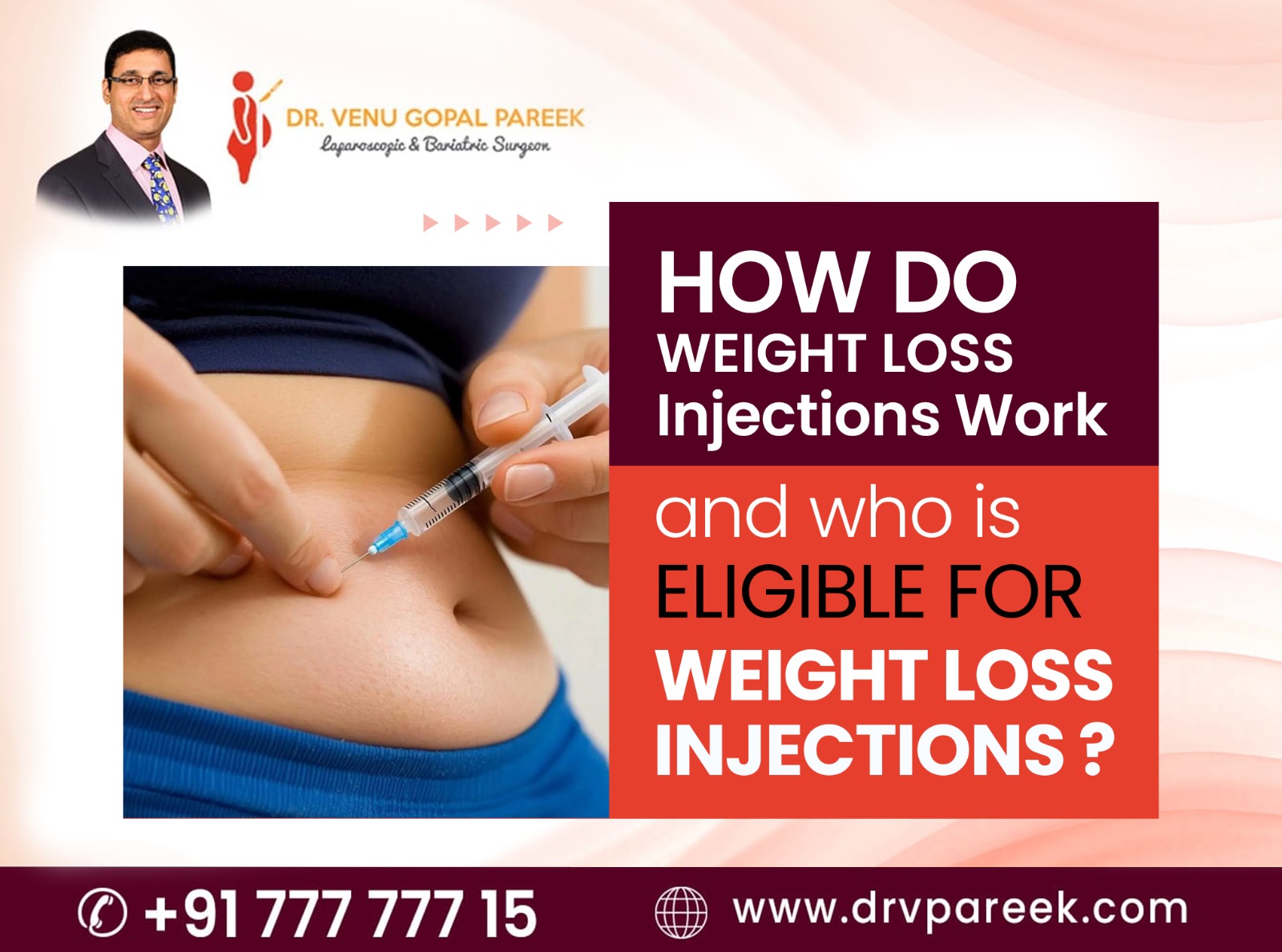
How do weight loss injections work, and who is eligible for weight loss injections?
Obesity is more than just a cosmetic concern—it’s a serious medical condition that significantly increases the risk of developing a host of chronic diseases, including heart disease, type 2 diabetes, fatty liver disease, stroke, osteoarthritis, and certain types of cancer. Globally, obesity rates have soared in recent decades, with lifestyle, genetics, and poor dietary habits playing key roles. According to the World Health Organisation (WHO), more than 1 billion people

Non-Alcoholic Fatty Liver Disease And Weight Loss
The liver is located in the upper right abdomen, just below the diaphragm, and is among the body's largest and most important organs. It performs many vital functions like nutrition processing, toxic substance filtration, and bile production, which is necessary for digestion. A healthy liver in a person indicates good blood sugar control, high energy levels, and a better metabolic rate. However, if the liver is affected by conditions like non-alcoholic

Weight Loss Injections vs. Bariatric Surgery vs. Gastric Balloons: Which is right for you?
Weight loss might not be just a physical change for many individuals; it’s more about regaining their health, confidence, and a better quality of life. Dr. Venugopal Pareek, the best weight loss surgeon in India, says weight loss can be challenging for everyone, which is why you need guidance and support in every step until you reach your weight loss goals. Weight loss procedures, especially bariatric surgeries, are not merely

Mounjaro vs. Ozempic for weight loss – which is better?
Ozempic and Mounjaro are popular GLP-1 (glucagon-like peptide-1) class drugs. Over the past few years, their usage has increased dramatically due to their exceptional benefits, such as diabetes management, weight loss, etc. These two medicines were developed and approved to manage blood sugar levels in people with type 2 diabetes. However, the usage of both these drugs resulted in significant weight loss, and doctors also prescribe them off-label. In a

Is it possible to have a gallbladder infection without gallstones?
The gallbladder is a small but vital organ that looks like a pear. It is located just under the liver, on the right side of the abdomen. The main purpose of this organ is to store and release bile into the small intestine when necessary. The liver produces this bile fluid, and it helps to digest the fats in the food you consume. The gallbladder plays a crucial role in